The story of human progress is fundamentally a history of innovation. From the controlled use of fire to the invention of the printing press, humanity has consistently sought to extend its reach through external tools. However, as we navigate the mid-2026 landscape, we are experiencing a shift that is distinct from any that came before. Technology has moved from being a passive instrument—something we hold or use—to an active, pervasive environment that acts, decides, and https://kwork.com/user/quartzseo collaborates alongside us.
The Evolution and Future of TECHNOLOGY
In 2026, we are witnessing the maturation of artificial intelligence, which has graduated from the experimental “hype” https://www.fiverr.com/s/gDeoKpX phase of previous years into a foundational layer of global infrastructure. The most significant development is the rise of “agentic AI.” Unlike the reactive chatbots of the recent past, these modern systems are designed to understand context, reason through multi-step goals, and execute tasks autonomously. This shift—from writing code to expressing intent—is redefining the relationship between humans and machines.
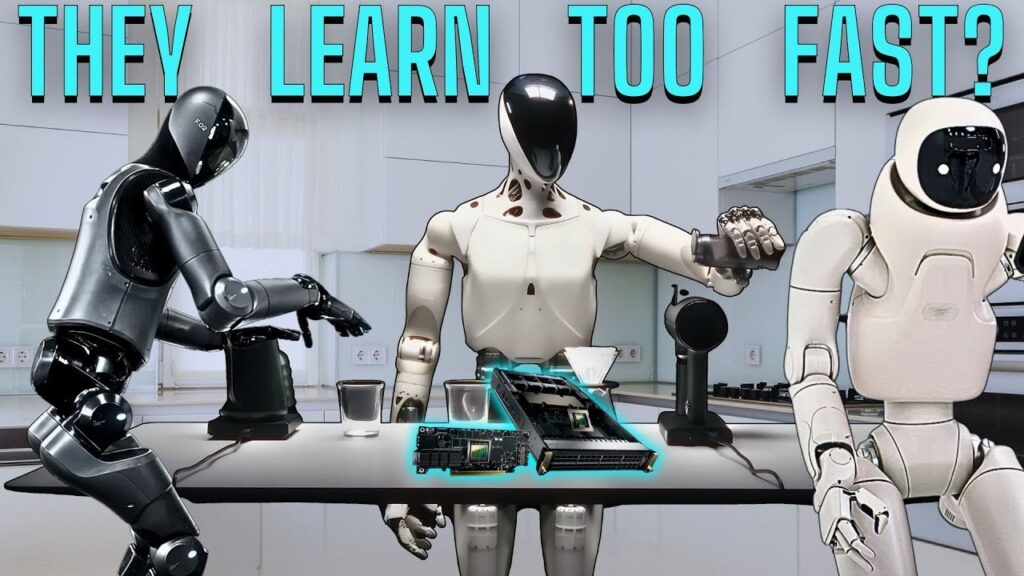
As these systems become more capable, they are moving beyond the confines of screens and servers. We are entering an era of “Physical AI,” where machine learning is integrated with sophisticated robotics to navigate the real world. From autonomous warehouse fleets that coordinate with human staff to precision medical robots assisting in complex surgeries, intelligence is becoming embodied. This convergence is transforming how we design our cities, manage our supply chains, and approach high-risk environments.
Bridging the Digital Divide with Intelligent Infrastructure
While the promise of innovation is immense, the true measure of our progress in 2026 is how effectively we distribute these benefits. Connectivity is no longer a luxury; it is the circulatory system of modern society. With the rollout of 6G-ready infrastructures and the widespread adoption of edge computing, we are seeing a “smart” environment where data is processed closer to the source, reducing latency and enabling real-time decision-making.
This infrastructure is vital for solving localized problems, such as optimizing traffic flow in sprawling urban centers or enabling remote healthcare access in underserved regions. However, the “digital divide” remains a persistent challenge. Bridging this gap is not just an act of corporate or global responsibility; it is an economic necessity. Inclusion is the prerequisite for a resilient global economy. When communities gain access to the tools of the modern digital age, they don’t just participate; they innovate, creating a broader, more diverse pool of ideas and solutions.
Navigating the Ethical and Sustainable Mandate
As the reach of technology expands, so does the weight of our moral responsibility. In 2026, the discussion around tech has shifted from “what can we build?” to “what should we sustain?” This is most evident in the energy sector. The computational power required to train and run massive AI models has prompted a critical reckoning regarding sustainability. We are currently seeing a surge in “green computing,” where organizations are prioritizing energy-efficient data center architectures and transitioning to renewable power sources to offset the carbon footprint of our digital ambitions.
Moreover, the security landscape has evolved to match the complexity of our digital ecosystems. The concept of “Zero Trust”—a security framework that assumes no entity, inside or outside the network, is secure by default—is now the standard. In a world where autonomous systems and IoT devices generate billions of data points, protecting individual privacy and corporate assets requires a fundamental redesign of our digital defenses. It is a constant game of cat-and-mouse, but one that underscores the necessity of transparency and rigorous ethical frameworks.
Preparing for a Collaborative Future
Perhaps the most important takeaway as we look toward the latter half of 2026 is that the future of technology is not a predetermined destination. It is a collaborative project between engineers, policymakers, creators, and the public.
The fear of job displacement, while understandable, is increasingly being replaced by a focus on “human-machine orchestration.” The most successful individuals and organizations are those who view AI as a force multiplier for human creativity and strategic thinking rather than a replacement. We are learning that the most valuable skills in this new landscape are not just technical, but human-centric: empathy, complex problem-solving, ethical judgment, and the ability to steer autonomous systems toward meaningful outcomes.
As we continue to build, the goal must remain clear: technology should serve as a scaffold for human potential, not a ceiling. By keeping our values at the center of our development, we can ensure that this era of unprecedented innovation leads to a more prosperous, sustainable, and equitable world for everyone. We aren’t just living in the future; we are actively crafting it, one decision at a time.